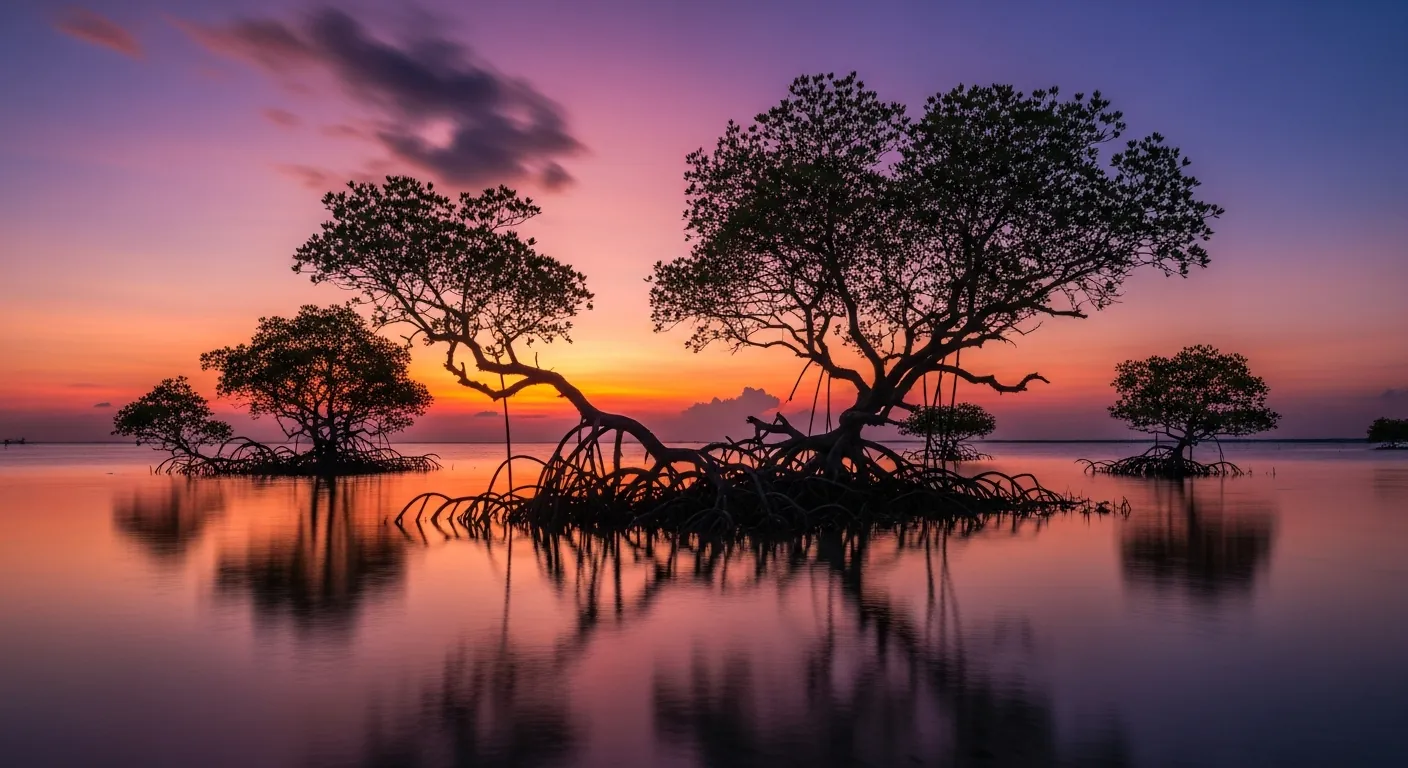
Walakiri Beach is a distinctive coastal destination located in the East Sumba Regency of East Nusa Tenggara Province, Indonesia. Renowned for its unique formations of mangrove trees that appear to “dance” at the water’s edge, and its expansive stretch of pristine white sand, this beach offers a captivating visual experience. Situated approximately 17 to 24 kilometers east of Waingapu City, near Watumbaka Village in the Pandawai Sub-District, Walakiri Beach is easily accessible by road, typically within a 20-25 minute drive. It has gained significant recognition as a premier location for sunset photography, where the interplay of light, water, and the characteristic trees creates a truly memorable spectacle for visitors.
Discovering Walakiri Beach: Sumba’s Dancing Mangrove Haven
Walakiri Beach, often celebrated for its mesmerizing sunsets and the iconic silhouettes of its mangrove trees, stands as a testament to the raw, untamed beauty of Sumba. This particular beach offers a visual narrative that shifts dramatically with the tides and the time of day, making it a dynamic subject for photographers and a serene escape for those seeking tranquility. The late afternoon light is particularly transformative, casting long, intricate shadows across the white sand and illuminating the unique forms of the mangrove trees that stand resiliently at the water’s edge. This coastal stretch on Sumba’s eastern flank provides a distinct perspective on the island’s natural allure, especially as the sun descends below the horizon, painting the sky with an array of vibrant colours.
The tidal movements at Walakiri Beach are a key element of its charm, revealing intricate root systems of the mangroves during low tide and allowing the calm waters to reflect the changing sky as the day progresses. This creates a dynamic environment for both observation and photography. The beach’s reputation as a sunset photography location is well-earned, drawing visitors who wish to capture the ethereal moments when the sun dips, transforming the landscape into a canvas of oranges, purples, and deep blues. The unique mangrove trees, with their slender trunks and sprawling roots, become silhouetted against this dramatic backdrop, creating a scene that is both dramatic and peaceful. Unlike many other beautiful beaches across the archipelago, Walakiri offers a distinct blend of ecological wonder and photographic opportunity, making it a must-visit destination on Sumba Island.
The Allure of Walakiri Beach: A Photographer’s Paradise in East Sumba
For photographers, Walakiri Beach is more than just a scenic spot; it’s a living canvas. The interplay of light and shadow, particularly as the sun sets, transforms the entire landscape. The shallow, calm waters at low tide create perfect reflections of the sky, mirroring the vibrant hues of the evening. The distinctive shapes of the mangrove trees, often described as “dancing” due to their gnarled and expressive forms, become striking silhouettes against the fiery sky. Every visit offers a new perspective, as the tides, cloud formations, and time of day constantly alter the scene. This beach, situated in East Sumba, provides an unparalleled opportunity to capture nature’s artistry.
The expansive stretch of white sand at Walakiri Beach also contributes significantly to its photographic appeal. During the golden hour, the sand itself seems to glow, providing a warm foreground to the dramatic backdrop of the mangroves and the sea. Photographers often find themselves captivated by the intricate details of the mangrove roots exposed at low tide, which add texture and depth to their compositions. The relatively undisturbed nature of this beach allows for clear, unobstructed views, making it easy to frame breathtaking shots of the sunset. Visitors frequently spend hours here, not just taking photos but simply soaking in the serene atmosphere, waiting for that perfect moment when the light is just right.
The Unique Mangrove Ecosystem of Walakiri Beach
The defining feature of Walakiri Beach is undoubtedly its collection of mangrove trees. These aren’t just any mangroves; they are a particular species, often referred to locally as “dancing trees” due to their slender, often contorted trunks and branches that seem to sway gracefully at the water’s edge. This unique mangrove formation is what sets Walakiri apart from other coastal areas on Sumba Island and indeed, across Indonesia. These resilient trees thrive in the brackish water, their complex root systems playing a vital role in the coastal ecosystem, stabilizing the shoreline and providing a habitat for various marine life.
During low tide, the intricate root structures of these mangroves become fully exposed, revealing a fascinating natural sculpture garden. The shallow pools left behind reflect the sky, creating stunning visual effects that enhance the overall beauty of the beach. These mangroves are not merely aesthetic elements; they are a testament to the ecological richness of East Sumba. They protect the coast from erosion, filter pollutants, and serve as nurseries for fish, crabs, and other small creatures. Understanding their ecological importance adds another layer of appreciation for the natural wonder that is Walakiri Beach.
A Dynamic Landscape: Tides and the Mangrove Dance at Walakiri Beach
The dynamic interplay of tides is central to the experience at Walakiri Beach. At high tide, the water gently laps at the base of the mangrove trunks, creating a serene, almost ethereal scene where the trees appear to float on the surface. As the tide recedes, the water level drops significantly, exposing vast stretches of the pristine white sand and revealing the full extent of the mangroves’ root systems. This transformation offers two distinct visual experiences, both equally captivating.
The calm waters during low tide are particularly conducive to reflection photography, as the surface acts like a mirror, perfectly capturing the sky and the silhouettes of the trees. It is during this time that visitors can truly appreciate the intricate dance of the mangroves, as their forms are fully revealed against the backdrop of the exposed sand. The ebb and flow of the sea at this beach create a constantly evolving landscape, ensuring that no two visits are ever quite the same. The unique character of this beach is intrinsically linked to these natural rhythms, making it a place of continuous discovery.
Experiencing Walakiri Beach: Beyond the Sunset Glow
While Walakiri Beach is undeniably famous for its spectacular sunsets, the experience extends far beyond the evening hours. During the day, the beach offers a tranquil escape, perfect for those seeking peace and quiet away from more crowded destinations. The expansive stretch of white sand adorned with the unique mangroves provides a picturesque setting for leisurely strolls. Visitors walk along the shore, enjoying the gentle sea breeze and the soothing sound of the waves. The atmosphere here is inherently peaceful, fostering a sense of calm and relaxation that is increasingly rare in popular tourist spots.
The relative seclusion of Walakiri Beach contributes to its cozy atmosphere. There are no bustling crowds or commercial distractions, allowing visitors to fully immerse themselves in the natural surroundings. While not typically known for extensive water sports, the shallow and often calm waters are perfect for a gentle wade or simply enjoying the coolness of the sea. The few scattered coconut trees along the fringes of the beach provide shade, offering a comfortable spot to rest and observe the beauty of the landscape. It’s a place where one can truly unwind, whether with a book, a camera, or simply in quiet contemplation.
The Pristine White Sand of Walakiri Beach
The white sand of Walakiri Beach is another defining characteristic that contributes to its allure. Unlike some volcanic beaches, Walakiri boasts a fine, soft sand that is a pleasure to walk on. This pristine quality extends across the entire stretch of the beach, creating a clean and inviting environment. The contrast between the bright white sand and the dark, gnarled forms of the mangroves is visually striking, especially under the clear Sumba sky.
The expansive nature of the sand allows for plenty of space, even when there are other visitors. Children can play freely, and adults can find their own quiet corner to relax. The quality of the sand also plays a role in the beach’s famed reflections; the smooth, flat surface at low tide becomes a perfect mirror for the sky and the unique trees. This natural carpet of fine, white sand enhances every aspect of the Walakiri Beach experience, from photography to simple relaxation.
Planning Your Visit to Walakiri Beach in East Sumba
Visiting Walakiri Beach requires a bit of planning, but the rewards are well worth the effort. Located in the East Sumba Regency, approximately 17 to 24 kilometers east of Waingapu City, the main gateway to Sumba Island, the beach is relatively accessible. The journey from Waingapu typically takes about 20-25 minutes by road, making it an easy day trip for those staying in the city. The best time to visit is undoubtedly in the late afternoon, specifically to witness the renowned sunset. Arriving an hour or two before the sun sets allows ample time to explore the beach, find the perfect spot, and watch the light transform the landscape.
While the road to Walakiri Beach is generally manageable, it’s advisable to arrange transport through a local guide or rent a car/motorbike. The infrastructure on Sumba Island is still developing, and having reliable transport is key to a smooth experience. There are usually local vendors near the beach offering snacks and drinks, but it’s always a good idea to bring your own water and any specific provisions you might need. Remember to respect the local environment and culture, leaving no trace behind and being mindful of the natural beauty this beach offers.
Getting There: Navigating to Walakiri Beach from Waingapu
The journey to Walakiri Beach from Waingapu, the capital of East Sumba, is straightforward. Most visitors opt for a rented car with a driver, or a motorbike. The route follows the main coastal road eastward, passing through local villages and scenic landscapes. The signage to the beach is usually clear, but having a GPS or a local driver who knows the way is always beneficial. The drive itself offers glimpses into the rural life of Sumba, passing by traditional houses and fields, adding to the overall cultural immersion of your trip to this part of the island.
Upon arrival, there’s typically a small parking area, and then a short walk to the main stretch of the beach. The accessibility makes Walakiri Beach a popular choice for both local and international visitors. Even though it’s easily reachable, the beach maintains a sense of untouched wilderness, a quality that many seek when exploring the hidden gems of Sumba Island. The anticipation builds as you approach, knowing you are about to witness one of the most unique coastal spectacles.
What to Expect: Facilities and Local Etiquette at Walakiri Beach
Visitors to Walakiri Beach should manage their expectations regarding facilities. This is a natural, undeveloped beach, reflecting Sumba’s commitment to preserving its pristine environment. While there might be basic toilet facilities and small stalls selling refreshments, don’t expect resorts or extensive amenities. The charm of Walakiri lies in its raw, unspoiled nature. It’s advisable to bring your own trash bags to ensure you leave no litter behind, helping to maintain the cleanliness of this beautiful beach.
When interacting with locals, a friendly demeanor and respect for their customs go a long way. Sumba is known for its warm hospitality, and the people are generally welcoming to visitors. While there are no strict rules, being modestly dressed and respectful of the natural environment is always appreciated. The focus here is on experiencing nature’s grandeur, particularly as the sun sets, and embracing the simplicity of the surroundings. This beach offers an authentic experience, a true escape from the commercialized tourist hubs.
Walakiri Beach and the Wider Beauty of Sumba Island
While Walakiri Beach is undeniably a highlight, it is just one of the many beautiful beaches that contribute to the allure of Sumba Island. Sumba is renowned for its rugged landscapes, traditional villages, and a coastline dotted with stunning, often deserted, shores. Exploring Walakiri provides a perfect introduction to the island’s natural wonders, but visitors are encouraged to venture further to discover the full spectrum of Sumba’s coastal charm. From the dramatic cliffs and powerful waves of the south coast to the serene coves in other parts of East Sumba, the island offers a diverse range of beach experiences.
The island’s commitment to sustainable tourism means that many of its natural attractions, including its many beautiful beaches, remain largely untouched by mass tourism. This allows for a more authentic and immersive travel experience. Walakiri Beach, with its unique mangroves and captivating sunsets, perfectly embodies this spirit, offering a glimpse into the raw, untamed beauty that defines Sumba Island. It’s a place where nature’s artistry is on full display, inviting contemplation and appreciation.
Exploring Other Beautiful Beaches on Sumba Island
Beyond the iconic mangroves of Walakiri Beach, Sumba Island boasts a remarkable array of coastal landscapes. For those who appreciate the vastness of the ocean and powerful waves, the beaches on the south coast, such as Mandorak or Weekuri Lagoon (though a lagoon, it’s often visited alongside coastal trips), offer a dramatic contrast. These areas are often characterized by towering cliffs, hidden coves, and powerful surf, attracting a different kind of visitor. Further west, beaches like Bawana are famous for their natural rock arches, creating stunning photographic opportunities that rival the unique appeal of Walakiri.
Even within East Sumba, there are other stretches of sand and sea that offer their own distinct charm. While Walakiri Beach is unique for its mangroves, other coastal areas might feature more traditional stretches of sand lined with rows of coconut trees, providing ample shade and a more classic tropical beach feel. The diversity of Sumba’s coastline ensures that every beach enthusiast will find something to love, making the island a treasure trove of coastal exploration. The sheer number of pristine, untouched beaches truly sets Sumba apart as a premier destination for natural beauty.
Sumba’s Cultural and Natural Tapestry Beyond the Shore
While the beaches, including the magnificent Walakiri Beach, are a major draw, Sumba Island offers a rich tapestry of culture and other natural wonders. Inland, visitors can explore traditional villages with their unique megalithic tombs and towering thatched-roof houses, providing a fascinating insight into the island’s ancient Marapu culture. The ikat weaving, a traditional textile art, is another significant cultural highlight, with intricate patterns and natural dyes telling stories of Sumba’s heritage. These cultural experiences provide a deeper understanding of the island and its people, complementing the natural beauty of its shores.
Beyond the coast, Sumba’s landscape transitions from rolling savannahs to lush hills, offering opportunities for trekking and exploring hidden waterfalls. The island’s wild horses, an iconic symbol of Sumba, can often be seen roaming freely, adding to the sense of untamed wilderness. Visiting Walakiri Beach is often just the beginning of a broader adventure on this captivating island, where every turn reveals a new facet of its natural and cultural richness. The overall experience of Sumba is one of discovery, authenticity, and profound connection with nature and tradition.
In conclusion, Walakiri Beach stands as a truly exceptional destination on Sumba Island. Its unique mangrove trees, often described as “dancing,” combined with its pristine white sand and breathtaking sunsets, create an unforgettable visual spectacle. Whether you are a photographer seeking that perfect shot, a traveler yearning for a peaceful escape, or simply an admirer of natural beauty, Walakiri offers an experience that is both serene and profoundly captivating. This beach is a testament to the unspoiled charm of East Sumba, inviting visitors to witness a natural wonder where the land, the sea, and the sky converge in a mesmerizing dance of light and shadow.